
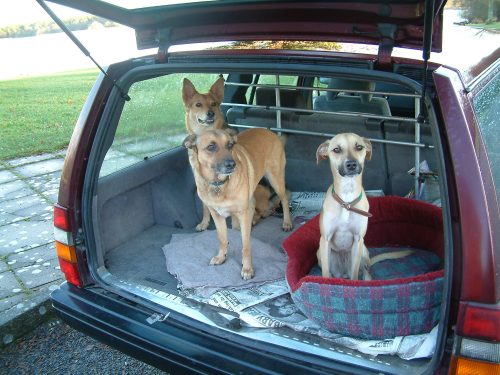
 In the UK we are a nation of dog lovers and many people take their dogs everywhere with them, this involves carrying the dogs in the car. However, how many people are aware of the risks both to the driver and the dogs themselves?
A car sick dog can leave you with a bit of a mess to clear up, but far worse can happen if you don't take a few simple precautions.
The good news is by taking a few simple precautions both you and your pets will have many happy journeys together. There are no laws relating to carrying domestic pets in your car in the UK but there is advice in the Highway Code - Rule 57 says:
"When in a vehicle make sure dogs or other animals are suitably restrained so they cannot distract you while you are driving or injure you, or themselves, if you stop quickly. A seat belt harness, pet carrier, dog cage or dog guard are ways of restraining animals in cars."
Something that the Code doesn't say is 'keep a firm hold of your dog's lead when getting in and out of the car'...
This one might sound like common sense but it's amazing how many people don't follow this advice. Clearly if you're in your driveway, or somewhere without any moving traffic, perhaps the beach or similar, allowing your dog to jump freely in and out of the car is not a major problem, but if you're the side of a busy road it only takes a moment for disaster to happen.
This section has a few more tips to ensure your safety, and that of your pets…
 In the event of an accident anything that slows in the car will be thrown forward with great force. A dog could have a weight equivalent to that of a baby elephant when been thrown forwards in an accident situation.
Being thrown about the car would be dangerous and dramatic for the dog but also could cause severe injury to passengers. To avoid this problem you should ideally secure your dog in the car.
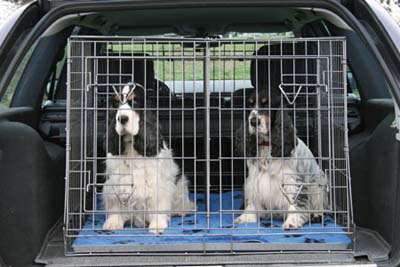
The best way to secure dogs in the car is to have a dog cage fitted in the back - this is the method used by professional dog breeders and people who attend dog shows. The cage gives a dog his own space and limits movement in the event of an incident.
The family car might not be suited to having a dog cage fitted, indeed these would normally only be appropriate for cars anyway. If you have an estate car an alternative is to fit a ‘dog guard’ to act as a partition between the backseat and the load area.
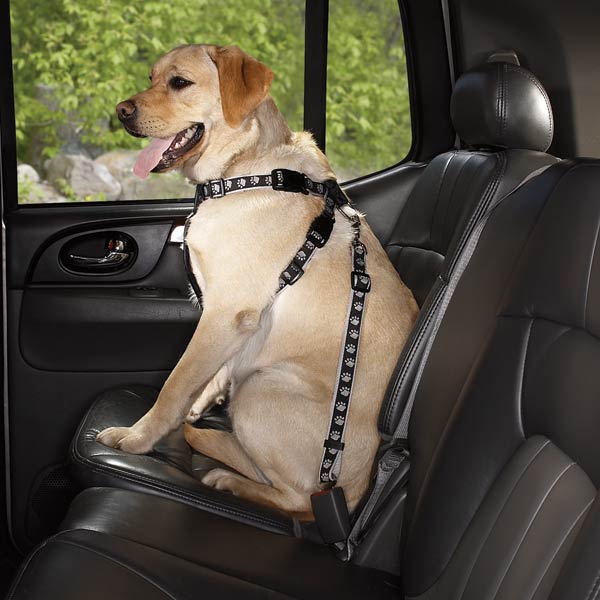
In saloon cars you could use a dog harness - these are readily available and specially made to attach to seat belts. For short journeys a pet carrier box may be sufficient.
Note: Although we're talking about dogs here, any pets must be carried safely, pet carrier boxes are pretty well essential for example, if you're taking a cat in the car.
Though it might be tempting to allow your dog to sit on the front passenger seat, this is not a good idea, even if secured with a harness. There are a couple of reasons for this.
The dog could distract you when you are driving with serious consequences; even well-behaved dogs can be frightened in strange situations, for example if there is a loud bang outside the car.
If the airbag went off in an accident it could cause severe injury to the dog.
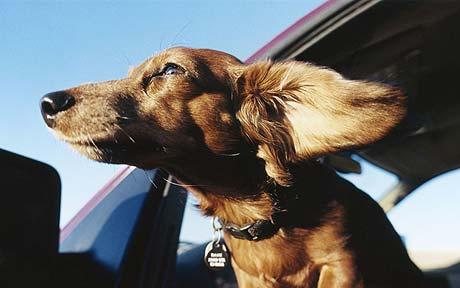 In saloon cars, dogs are best carried in the rear seat, with the windows closed, or at least close sufficiently so that the dog can't hang out.
You might think that the dog enjoys having his head out of the window, and he probably does…
But this can be a distraction for other drivers who could veer off course when turning to look at your dog. Another problem here is that the dog can easily get injured when hit by insects or stones thrown up from the road - you only have to note how hard things hit your windscreen to imagine what would happen if something hit your dog in the eye.
If you have an open vehicle such as a pickup truck and enclosed space such as a dog cage is essential for the safety of the animal and other road users.
 If you're involved in an accident, leave your dog in the vehicle until it has calmed down. Obviously if there is a real danger of fire you may have to try to remove your pet but otherwise you must be aware that the dog will be in a state of shock and stressed - if necessary call a vet to administer a tranquilliser.
If your car breaks down the chances are that you will be feeling a little stressed - and your dog will pick up on this. If you have to get your dog out of the car, for example because it's a hot day, take a few moments to plan how to do it and what to do after you've got him/her out - on fast roads such as motorways, it's far better to leave your dog secured in the car if you get out a call for help or attempt repairs.
Make sure your dog can be identified:
Again perhaps this is commonsense at all times, but if you're on a long journey and your dog escapes from the car in a strange place it's essential that you can be contacted. The modern way of doing this is with an implanted microchip which can be read by a vet with special equipment, however, a collar tag with your mobile phone number can be equally effective.
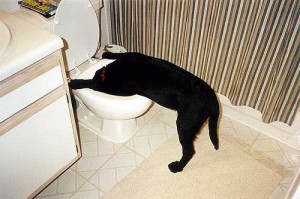 Giving your dog a big meal just before journey is asking for problems - if your dog tends to be restless in the car, you could perhaps give him a chew, or a toy to keep him occupied - this will help prevent car sickness.
Most dogs will acclimatise themselves naturally to car travel after a few journeys, however if your dog is persistently travel sick, have a word with the vet who may be able to prescribe medication.
Keep a bottle of water in the car:
Dogs don't sweat in the same way that we do, they pant rather a lot to lose heat. This is perfectly normal and nothing to worry about, however if the dog slightly stressed by travel he may pant excessively causing him to lose heat and hydration.
Having water on hand and stopping for a drink occasionally, especially on long journeys, will help to keep your dog cool and hydrated; stopping for a drink also gives the dog a good opportunity to have a walk - this would probably be good for you as well!
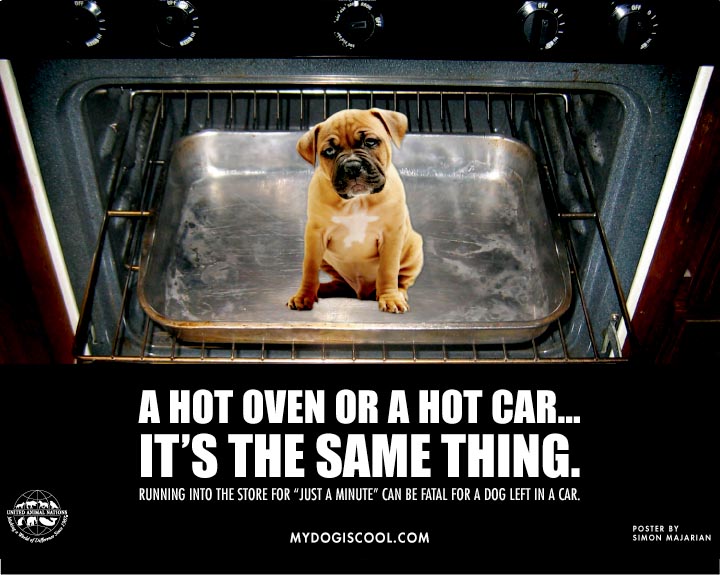 Every summer we get warnings from the authorities about leaving pets in cars yet every year some dog owners are left grief stricken and possibly face prosecution for neglect after their animals die of heat exhaustion in the car.
Never leave your dog in the car alone for more than a few minutes in the summer, and if you leave the dog even for a few minutes (and I mean literally a few minutes) ensure that there is adequate ventilation - this means leaving all of the windows open at least a couple of inches and a sunroof open.
Simply leaving one or two windows slightly open will not be sufficient to stop the car getting hot - even parking in the shade is not enough to prevent the temperature from rising on a hot summer's day.
Id doesn't have to be sunny, cars can get really hot even on cloudy summer days.
Leaving your dog in the car is like putting him in the oven...